Kitchen Cabinet Painting vs Replacement Perth | YYFC
A practical guide to choosing a fresh finish, new doors or new cabinetry for your Perth kitchen.
Love the way your kitchen works, but quietly plotting against the cupboard colour? Before you commit to a full replacement, it helps to work out what actually needs changing.
A fresh finish can change the feel of a room. It cannot create an extra drawer, move the oven or repair a cabinet that is falling apart. The right choice starts with those differences, rather than a paint swatch or the biggest renovation quote.
This guide is for Perth homeowners weighing up kitchen cabinet painting, professional resurfacing and replacement. YYFC serves homes north of the river, helping you explore whether your existing cabinetry has another chapter in it.
Book a free 30-minute introductory call with Liv
Download the complete YYFC painting vs replacement guide (PDF)
First, get clear on what each option includes
Painting or refinishing usually means preparing and coating the existing surfaces. The cabinet boxes, door shapes and layout generally stay. The result depends on the condition of those surfaces and the coating system chosen for them.
Resurfacing is a term worth clarifying with your provider. In this YYFC series, it means refreshing suitable existing cabinetry through preparation and a new finish. Some businesses use similar language for replacing doors or adding a new surface layer, so ask exactly what is included.
Refacing or replacing doors can keep sound cabinet boxes while changing the doors and drawer fronts. That may help if you want a different door profile or have individual doors that cannot be refinished. It still needs a condition check and a plan for visible panels and edges.
Full replacement removes and replaces the cabinetry. It offers more scope to change the layout and storage, with a broader project to organise around it.
The useful question is: do you want your kitchen to look different, work differently, or both?
When painting or resurfacing is worth exploring
Start here if the layout suits your daily life, the cabinet boxes feel solid and the biggest problem is the finish. Perhaps the colour feels dated, the timber look dominates the room, or your cupboards simply no longer fit your style.
Open the doors and look beyond the front. Are shelves secure? Do drawers move properly? Are hinges firmly attached? Look around the sink, dishwasher and kickboards for signs that need closer attention. This is a first look, rather than a substitute for an assessment.
A few repairable knocks or a hinge that needs adjustment do not automatically mean the whole kitchen has had it. Equally, a lovely new colour is no solution to a recurring leak or a weak cabinet box. Ask which repairs are sensible and which parts, if any, need replacing.
Think about the details you are keeping, too. Painting generally preserves the existing door profile. A new finish can refresh that profile, but it does not turn an ornate door into a flat one. If the shape is your main frustration, include door replacement in the conversation.
If you are happy with the bones of the kitchen, start by investigating what can be retained. There is no prize for throwing out cabinetry that still works beautifully for you.
When replacement may be the better decision
Sometimes the kitchen needs more than a cosmetic lift. Replacement deserves serious consideration when the arrangement makes everyday tasks awkward, storage falls short, or the changes you want require substantial rebuilding.
Perhaps you want to move appliances, add an island or make room for a larger fridge. Those are planning questions, and a coating will not solve them. Work out the practical changes first so you do not pay to refinish cabinetry you later remove.
Cabinet condition matters just as much. Soft or swollen board, loose joints, extensive damage, persistent moisture problems or doors with a failing surface need individual assessment. Find and address the cause of a moisture problem before deciding what to keep. The answer may be a targeted replacement rather than an entirely new kitchen.
There is also room for a combination: retaining sound cabinets, replacing unsuitable doors and refreshing the remaining visible surfaces. Ask whether this is technically suitable and whether the finished result will look cohesive. Do not assume every provider offers every part of that work.
The aim is a kitchen you can use and enjoy. If replacement answers a real functional problem, it can be the more sensible investment. If the issue is mainly colour, get advice on a refresh before taking the whole thing out.
Compare the scope, not just the headline price
A painting quote and a replacement quote are rarely describing the same work. Before comparing totals, put the inclusions beside each other. A lower number is only useful if it covers the result you expect.
For a resurfacing quote, ask about cleaning and preparation, repairs, doors and drawer fronts, visible end panels, kickboards, hardware removal and refitting, and any areas excluded. Clarify whether cabinet interiors are included. Ask what finish is proposed and how suitability will be checked.
For replacement, ask what happens to the old cabinetry and whether the quote includes installation, benchtops, splashbacks and any work affected by the new layout. Check which plumbing, electrical, flooring or wall-finishing tasks need separate quotes. A cabinet price alone may leave a lot of the project unaccounted for.
Also compare how each option fits around your household. Ask when the kitchen will be usable, what happens to doors while work is underway, and what drying or curing instructions you need to follow. Get project-specific answers rather than assuming every refresh is a weekend job.
Retaining suitable cabinetry can avoid some removal and replacement work. The actual saving depends on your kitchen, the repairs needed and the scope being compared. We would rather help you understand your options than promise a percentage that your project cannot support.
Laminate cupboards, preparation and the DIY question
Laminate or melamine cupboards are not automatically ruled out. There are coating systems made for suitable laminate, melamine and timber cabinet surfaces; Dulux's Renovation Range is one published example. That does not mean every door is ready to paint, or that YYFC uses that particular product. The surface, its condition and the selected system all need to match.
Plastic-wrapped doors, lifting edges, old coatings and unknown finishes deserve a closer look. Ask the person assessing your kitchen how they will deal with them. Painting over an unstable surface is not a sound plan, however gorgeous the colour.
DIY may appeal if you enjoy careful preparation and can make time for the full process. Allow for learning, cleaning, materials, protected workspace, application and the product's drying and curing requirements. Follow the current manufacturer's instructions for your exact surface and system, rather than mixing advice from different products.
Professional resurfacing may suit you if you want the condition assessed, the preparation and application handled, and clear advice on the finish and aftercare. Ask to see relevant work and understand what is included. Neither the word professional nor the word DIY, on its own, tells you what the result will be.
For colour, check samples beside the benchtop, splashback and flooring you intend to keep. Look in daylight and with your kitchen lights on. The white that looks lovely on a screen may tell a different story beside your existing finishes.
Your kitchen decision, made simpler
Before you request quotes, jot down three lists: what works, what bothers you and what must change. Be specific. "I want lighter cupboards" suggests a different project from "I need twice as much storage and the oven moved."
Then take clear photos of the whole kitchen, the doors, visible panels and any areas of damage. Include the parts you are concerned about, not just the flattering angle. Those details help make the first conversation useful, even though final suitability may need an in-person assessment.
Can I paint my kitchen cabinets instead of replacing them? Possibly, if their condition and material suit the proposed coating and you are happy to keep the layout and door style. Have those points checked before committing.
Will resurfacing fix damaged cabinetry? A new finish is not a structural repair. Some defects may be repairable; others may mean a part needs replacing. Ask for the repairs and exclusions to be written into the scope.
How long will the finish last? There is no useful one-size-fits-all promise. Ask about the actual coating, preparation, care requirements and any written warranty that applies to your project.
Your next step does not have to be a demolition date. It can be a conversation. Book a free 30-minute introductory call with Liv to explore what you want to change and whether YYFC's cabinetry resurfacing could be a suitable path for your Perth home.
Love your kitchen again? Yes, you flipping can. Let's work out the right way to get there.
Useful links
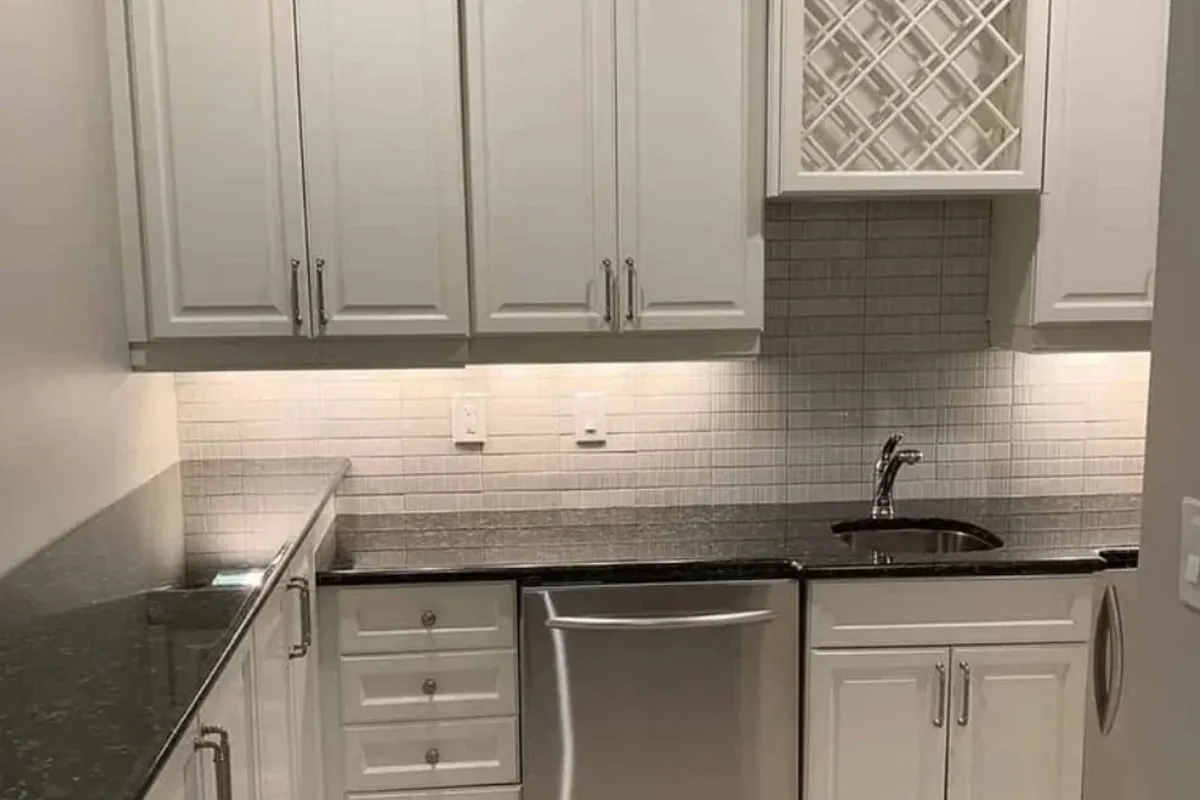
Photographs in this guide come from YYFC's existing website gallery. Wider project changes may include work beyond cabinet resurfacing; the images are examples of appearance, rather than a promise about your kitchen's scope or result.
